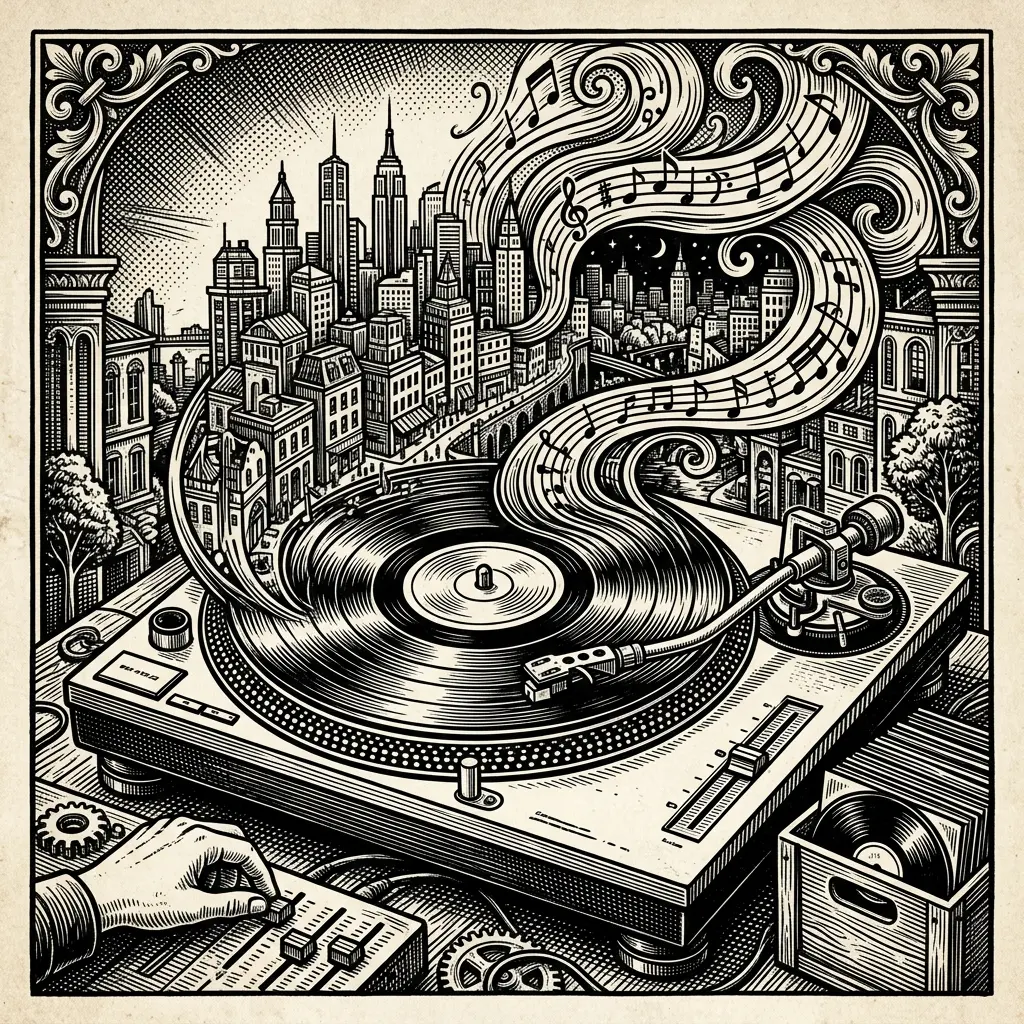
How to set up a Home Studioprofessionalhome:PROFESSIONAL2025 Guide
How to assemble a professional Home Studio case ro: PROFESSIONAL2025 Guide
Basic Concepts of Home Study
📸 Fotograma Específico de Referencia (Fotograma 1)
Fuente y Atribución: Captura de pantalla técnica extraída en el minuto exacto del tutorial educativo por Laidback Luke / Pioneer DJ.

- Detalle Técnico: Demostración de cálculo armónico entre claves 8A y 9A sin choques tonales.
- Ver Vídeo Completo: Ver instante exacto en YouTube
To set up a home studio, you need to keep several basic concepts in mind. Below, we present some of them:
If you’re a musician or music producer, you’ve probably considered the idea of setting up your own home recording studio. A home studio can be an excellent option for those looking to have a space where they can record and produce their music without having to pay for a professional studio. Additionally, a home studio allows you to have greater control over the recording and production process.
If you are looking for a professional solution, wherever you are, we can help you: CONTACT creative MUSIC (CLICK)
🎛️ Equipamiento Técnico & Cadena Analógica en Estudio (Imagen 2)

Cadena analógica de ecualización Neve 1073 y compresión de bus SSL en MPC Estudio BCN.
Space
The first thing you need is a suitable space for your home study. This can be a room in your house or a separate space that you can dedicate exclusively to your study. The important thing is that the space has good acoustic insulation to prevent sound from escaping and that you can control the acoustics of the room.
Equipment
The equipment you need will depend on the type of music you want to record and produce. In general, you will need a computer with recording and production software (DAW), an audio interface, studio monitor, microphones, cables, and stands. You can also consider the possibility of purchasing other optional equipment such as preamplifiers, compressors, equalizers, among others.
Acoustics
Acoustics are a crucial factor in any recording studio, including home studios. To achieve good acoustics in your home studio, you should consider the shape and size of the room, the placement of speakers and microphones, and the placement of acoustic panels and diffusers. If you do not have experience in acoustics, it is recommended that you consult with a professional to obtain the best results.
Knowledge
Lastly, but we don’t mind, you need to have basic recording and production knowledge to be able to use your home studio effectively. This includes knowing how recording and production software works, knowing how to use microphones and recording equipment, and having an understanding of mixing and mastering.
In short, setting up a home studio can be an excellent option for those looking to have a space to record and produce their music. To do this, you need to consider several basic concepts, including space, equipment, acoustics, and knowledge. By following these tips, you will be able to create a professional home studio and get great results.
Essential Home Studio Equipment
If you’re looking to put together a professional home studio, you’ll need some essential equipment to start producing your music. Here we present the key elements you need to set up your home studio.
Audio Interface
An audio interface is a device that converts analog signals from your microphone or instrument into digital signals that your computer can understand. It is essential for recording any instrument or voice in a home studio.
When choosing your audio interface, it is important to consider the number of inputs and outputs you will need. You should also make sure it is compatible with your DAW (digital audio workstation). Some popular options include the Focusrite Scarlett and the Presonus Audiobox.
Microphones
Microphones are essential for recording vocals and different instruments in your home studio. There is a wide variety of microphones available on the market, from condenser to dynamic microphones.
To record voices, a condenser microphone is an excellent option. If you’re recording instruments like acoustic guitars or pianos, a condenser microphone may also be a good option.
Studio Monitors
Studio monitors are speakers designed specifically for music production. They are essential for mixing and mastering your music accurately.
When choosing your studio monitors, it’s important to consider sound quality and frequency response accuracy. Some popular options include the KRK Rokity studio monitors and the Yamaha HS studio monitors.
Headphones
Headphones are an essential tool for any home studio. They are useful for mixing and monitoring art and music without disturbing others.
When choosing your headphones, it’s important to consider comfort and sound quality. Some popular options include the Sennheiser HD280 Pro headphones and the Audio-Technica ATH-M50x headphones.
MIDI controllers
A MIDI controller is a device that allows you to control your DAW and your virtual instruments. It is essential for producing electronic music and for adding MID tracks to your productions.
When choosing your MIDI controller, it is important to consider the number of keys and faders you will need. You should also make sure it is compatible with your DAW. Some popular options include the Kai MPK Mini MIDI Controller and the Novation Launchkey MIDI Controller.
Acoustics and Conditioning of a Home Studio
If you are thinking about setting up a home studio, it is important to consider the acoustic conditioning of the room. Acoustics is a key factor in obtaining quality sound in your recordings and mixes.
Acoustic Treatment
Acoustic treatment consists of controlling reflections and resonances in the room to prevent them from negatively affecting the sound. To do this, it is necessary to place absorbent materials on the walls, ceilings and floors of the studio.
Some common absorbent materials are acoustic foams, fiberglass panels, and carpets. It is important to place these materials at critical points in the room, such as corners and parallel walls.
equipment location
In addition to acoustic treatment, the location of the equipment is also important to obtain good sound in the home studio. It is recommended that you place studio monitors in a balanced position and away from walls to avoid reflections.
It is also important to place the desk and work chair in a comfortable and ergonomic position to avoid posture problems and fatigue. In addition, it is recommended to separate the recording area from the mixing area to avoid interference and unwanted noise.
In short, acoustic conditioning and equipment placement are key factors in obtaining quality sound in your home studio. With a little planning and the right materials, you can create a comfortable, acoustically optimized workspace for your recording and mixing.
Recording and Production in the Home Studio
When it comes to recording and producing music in your Home Studio, there are several factors you need to take into account to achieve a professional result. In this article, we present some useful tips to help you improve your recording and production process.
recording software
Recording software is one of the most important elements in any home studio. There are many options available on the market, from free programs to paid options. Some of the most popular programs are:
-Pro Tools
-Logic Pro
-Ableton Live
-Cubase
-FLStudio
Each of these programs has its own features and benefits, so be sure to do your research and choose the one that best suits your needs.
Microphone Techniques
Proper microphone technique can make a big difference in the quality of your recordings. Here are some common techniques you can try:
-Condenser Microphone: This type of microphone is excellent for capturing nuanced details in vocal recording and acoustic instruments.
- Dynamic Microphone: These microphones are perfect for recording drums, electric guitars and other high-energy instruments.
-Tere o microphone techniques: This technique is used to create a feeling of space and depth in the recording.
Mixing Process
Mixing is the process of combining multiple audio tracks into a single final mix. Here are some tips to improve your mixing process:
-Equalization: Equalization is a key tool in mixing. Adjust the frequencies of each track so that they complement each other and don’t compete for the same space in the mix.
-Compression: Compression is used to control the dynamic range of a track. Helps keep volume levels consistent and avoid spikes and drops.
-Effects: Adding effects like verb, delay, and chorus can help liven up your mix and create a feeling of space and depth.
With these tips, you will be on the right track to improve your recording and production process in your Home Studio. Remember, practice makes perfect, so keep experimenting and improving your skills.
Workflow Optimization in a Home Studio
If you’re looking to make the best music possible in your home studio, it’s important to establish an effective workflow. Optimizing your workflow is key to producing high-quality music in a reasonable amount of time. Here are some ways to improve your workflow in a home studio:
1.Plan your recording session
Before you start recording, plan your recording session. This includes selecting the songs you want to record, preparing your instruments, and setting up your equipment. If you have a clear plan, you will be able to save time and avoid unnecessary errors.
2.Organize your files and folders
Organizing your files and folders is crucial to keeping your workflow efficient. Make sure you name your files and folders clearly and consistently. This way, you can quickly find what you need and avoid losing files.
3.Use templates and presets
Templates and presets are useful tools to save time and increase efficiency in your home studio. You can create templates for your recording, [mixing and mastering] sessions (/services/mixing-and-mastering-mentoring). You can also use effect presets and signal processors to speed up the mixing process.
4. Learn to delegate tasks
If you work in a team, it is important to delegate tasks to optimize your workflow. Assign specific tasks to each member of your team and make sure everyone understands their responsibilities. This way, you can save time and increase efficiency in your home studio.
5.Keep your equipment up to date
Keeping your equipment up to date is important to ensure efficiency in your home studio. Make sure you have the latest version of your recording and mixing software. It’s also important to keep your instruments and equipment in good working order.
By following these tips, you’ll be able to optimize your workflow in your home studio and produce high-quality music more efficiently.
Maintenance and Care Tips
Keeping your home studio in good condition is essential to ensure it works properly and lasts a long time. Here we leave you some maintenance and care tips that will help you keep your home studio in optimal condition:
Regularly clean your equipment
It is important to regularly clean your equipment to prevent the accumulation of dust and dirt. Use a soft, dry cloth to clean the surface of your equipment. Avoid using harsh chemicals, as they can damage your equipment.
Protect your equipment from bumps and falls
Knocks and falls can seriously damage your equipment. Be sure to protect your equipment from bumps and falls by using special covers and cases. It is also recommended to place your equipment on a stable and safe surface.
Keep your equipment away from humidity and heat
Moisture and heat can seriously damage your equipment. Make sure you keep your equipment away from humidity and heat. Avoid placing your equipment near windows or doors that can let in moisture. It is also recommended to use a dehumidifier to keep humidity under control.
Regularly check your cables and connectors
Cables and connectors are important components of your home studio. Regularly check your cables and connectors to make sure they are in good condition. If you find any damaged cables or connectors, replace them immediately to avoid damaging your equipment.
Perform preventive maintenance
Performing preventive maintenance regularly can help prevent problems and prolong the life of your equipment. Consult your equipment user manual for preventive maintenance recommendations.
Alma Dinner Solutions in to and File
When it comes to a Home Studio, storing and archiving your recordings is crucial to keeping your work organized. Below, we present some solutions that will help you keep your recordings secure and accessible.
External Hard Drives
External hard drives are a popular storage solution for Musicians and Audio Producers. They are portable, easy to connect to your computer, and offer plenty of storage space. You can choose between HD or SSD hard drives, depending on your needs and budget.
Alma Dinner Services in the Cloud
Cloud streaming services are an increasingly popular option for Musicians and Audio Producers. With a cloud account, you can access your recordings from anywhere with an Internet connection. Some popular services include Dropbox, Google Drive, and Cloud.
Organization and Labeling
Regardless of the storage solution you choose, it is important to organize and label your recordings effectively. This will help you quickly find what you are looking for and prevent losing important files. You can use file management software like Tunes or Windows Media Player to organize your music library.
In short, storing and archiving your recordings is essential for keeping your work organized in a home studio. External hard drives and cloud storage services are popular solutions, and it is important to tag and organize your recordings effectively to avoid losing important files.
Integration of Musical Instruments
When it comes to putting together a home studio, integrating musical instruments is a crucial part of the process. The choice of instruments you use and how they are integrated into the studio can make the difference between a professional and non-amateur sound.
Firstly, it is important to consider which instruments you want to use and how you want to record them. If you plan to record acoustic instruments such as guitars, basses or drums, it is important to ensure you have quality microphones and good acoustics in the recording room. If you plan to use electronic instruments such as keyboards or synthesizers, it is important to have a quality audio interface to ensure that sound is recorded correctly.
Once instruments have been selected, it is important to consider how they integrate into the study. A common option is to use a mixer deck to mix and route the signals of different instruments. This allows you to adjust the volume and tone of each instrument individually in your mind, which can be helpful in obtaining a balanced sound.
Another option is to use a digital recording system, such as a DAW (Digital Audio Workstation). A DAW allows you to record and edit audio tracks digitally, which can be useful for adjusting the sound after recording. I also allow you to use plugins and digital effects to improve the sound.
In short, the integration of musical instruments is an important part of the process of putting together a home studio. It is important to select appropriate instruments and ensure they are recorded and mixed correctly for a professional sound.
frequently asked questions
How can I create a home studio with a limited budget?
If you have a limited budget, don’t worry, you can still create a quality home recording studio. The first thing you need to do is set a budget and prioritize essential components, such as a computer, recording software, an audio interface, and a microphone. You can save money by buying second-hand equipment or searching for deals online. You can also build your own soundproofing panels using inexpensive materials like acoustic foam and blankets.
What materials are necessary to properly soundproof a home studio?
Soundproofing is an important factor in achieving high-quality recordings in a home studio. Materials needed include soundproofing panels, acoustic foam, blankets, and heavy curtains. It is also important to seal any open spaces in walls, windows and doors to prevent external noise from entering. If you cannot afford expensive materials, you can build your own soundproofing panels using inexpensive materials.
What are the essential components needed to set up a home recording studio?
The essential components for setting up a home recording studio include a computer, recording software, an audio interface, a microphone, headphones, and studio monitors. It is also important to have soundproofing panels and a microphone stand. If you have a limited budget, you can save money by buying second-hand equipment or searching for deals online.
Which sound cards offer the best quality/price ratio for a home studio in 2023?
In 2023, there are many sound card options that offer excellent value for money for a home studio. Some of the most popular options include the Focusrite Scarlett, the Presonus Audio Box, and the Behringer U-Phoria. It’s important to research and compare features and prices to find the best option for your needs.
What considerations should be taken into account when choosing equipment for a home recording studio?
When choosing equipment for a home recording studio, it is important to consider sound quality, compatibility with your recording software, ease of use, and durability. It is also important to take into account your budget and your specific needs. Research and compare features and prices before making a decision.
What is the approximate cost to set up a professional recording studio at home?
The cost to set up a professional home recording studio can vary significantly depending on the components you choose. A complete high-quality kit can cost several thousand dollars, while a more modest kit can cost around $1000. It is important to set a budget and prioritize essential components to find the best option for your needs.
Sound is the bridge between chaos and harmony. Use the hardware to your advantage.—Ander B
Do you want your next track to sound in the big leagues? More than 500 tracks produced at MPCEstudio BCN. Book an online or in-person session at our studio in L’Hospitalety and elevate your Sound to the mainstream standard.
📸 Demostración Práctica en Pantalla (Fotograma 3)

Captura de Referencia: Explicación técnica de procesado extraída del canal de autoridad Waves Audio / Pensado’s Place. Calibración del medidor de sonoridad para sesiones de club y streaming.
READY TO ELEVATE YOUR TRACKS TO THE NEXT LEVEL?
Don't let your talent get lost in bedroom-quality demos. Work 1-on-1 with Ander B at our Barcelona studio (Neve 1073, SSL, AKAI MPC) or train at our exclusive analog academy.